Table Of Content

Anything with hair, mammals included, is highly prone to cowlicks. Unless you’re Tom Hardy, you probably aren’t trying to make the cowlick look cool. Hardy can pull it off, and while we don’t doubt the same for you, we’re guessing that you would rather just do without. No-crease clips and a little heat manipulation will train your cowlicks to reposition themselves. “If someone doesn’t have very dense hair, the area of separation may appear empty,” Possidoni adds.
Why Would I Address a Cowlick?
Styles that rely on sleek and smooth hair, such as tight updos or sleek ponytails, may encounter resistance from cowlicks that refuse to lay flat. It’s important to note that a cowlick is distinct from bald spots. While a cowlick refers to variations in the direction of hair growth, bald spots are areas where hair loss occurs. Cowlicks and bald spots are not directly related, and having a cowlick does not necessarily indicate or cause balding.
Short Messy Hair with Fade
The cowlick is a hair section that grows in a different direction than the rest of the hair. This hair section follows a natural growth pattern that is different from the rest of the hair. It may stand straight at an odd position and has a swirling pattern.
Keep The Cowlick Wet
The most common is the back of the head, near the crown area. Following close behind is the front of the hairline, though it’s not to be confused with a widow’s peak. Fades don’t have to be to the skin, as this chic look shows. Keeping the tapered undercut on sides, but a bit longer allows the top to have more volume without looking incredibly modern or chic.
Robert Redford’s cowlicks - Boston Herald
Robert Redford’s cowlicks.
Posted: Wed, 21 Oct 2015 07:00:00 GMT [source]
Hair cowlicks are caused by genetics and are typically located at the crown of the head called a cowlick crown. They can also appear near the front of the hairline, in the middle of the forehead, called a cowlick hairline. Both can make styling bangs a bit more tricky, but not impossible — you just need to know how to hide it (more on that, below). Rabiu credits another hot tool for its cowlick-correcting abilities. "Root tamer irons are [also] great for cowlicks," she explains.
Cowlick or balding?
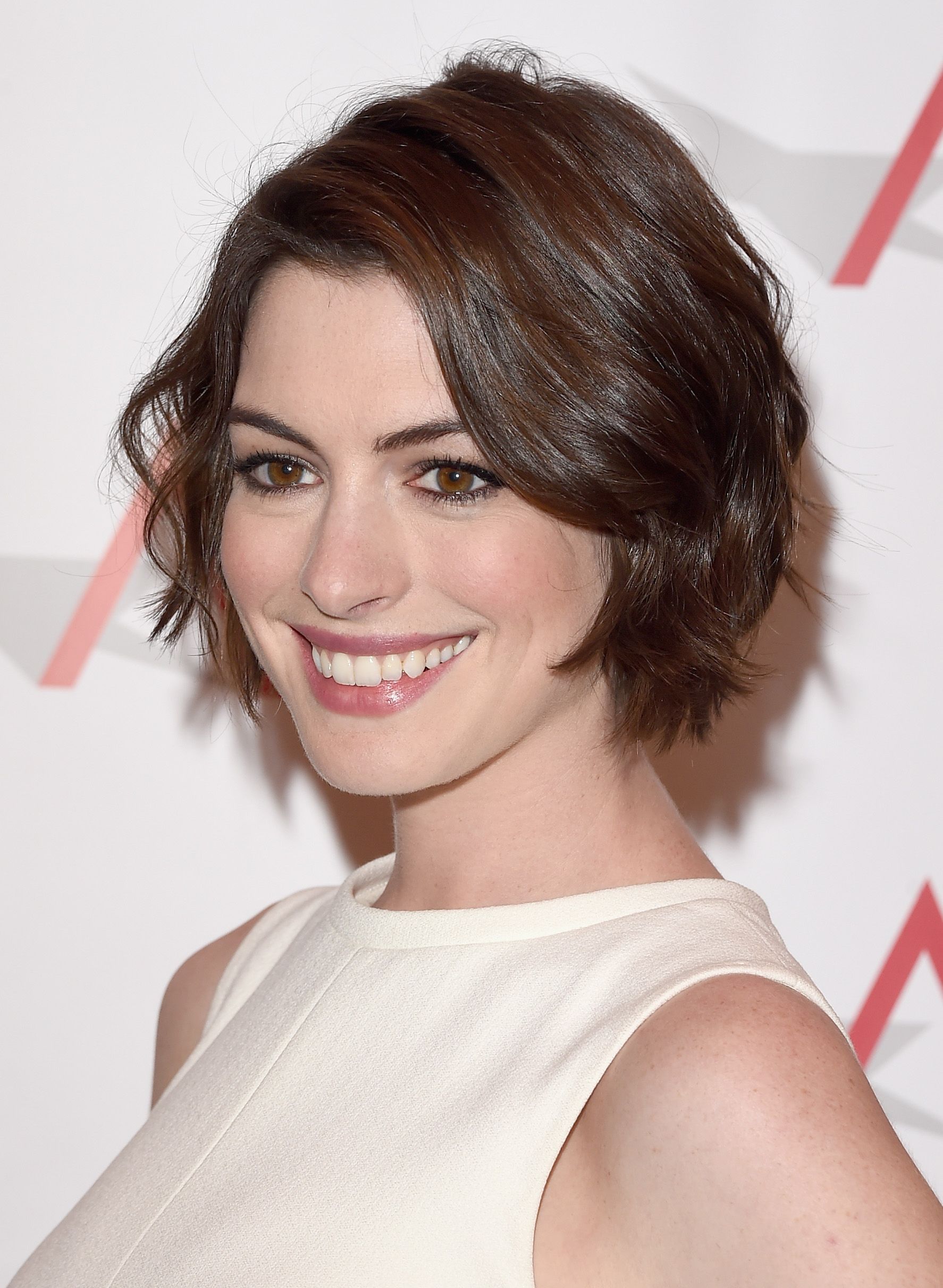
Follow the cowlick’s natural pattern to adjust your hairstyle. Do not waste your time trying to straighten or make it sit. Growing your locks will weigh down the cowlick a bit and blend it with your natural hair, making it less noticeable. Many people find cowlicks very annoying because they often make it hard to style their hair the way they prefer. With patience and the right products, however, cowlicks can be tamed. A little product will go a long way when it comes to cowlicks.
Best Hairstyles For Managing A Cowlick
Longer hair can suit every person when cut with their unique features in mind. As previously mentioned, it can also reduce the prominence of cowlicks. Browse several different types of cuts with short and long layers.
Ways To Manage A Cowlick & Best Hairstyles For Cowlicks

According to celebrity hairstylist Marshall Lin, almost everyone has a cowlick. Some even have more than one, but it’s not obvious since the weight of the hair pulls it down. Any additional movement from this spot can be controlled with a bit of product and used to improve the way the cut looks instead of standing out. Using some product to gently push the bangs up and off of the face adds to the movement of hair cluster without allowing them to be very obvious. Shoulder-length hair takes only a minute to style when you have the men’s ponytail to rely on! Simply comb the hair smoothly away from the forehead to cover up that cowlick and get hair off the neck.
Yates says that this can’t eliminate the cowlick completely since the follicles are positioned in a way that can’t be moved. This is usually caused by the location of the cowlick — the closer to the scalp, the more it’s mistaken for balding — and a person’s hair texture, says Possidoni. “If positioned along the hairline, it can look like a natural volume,” Yates says.
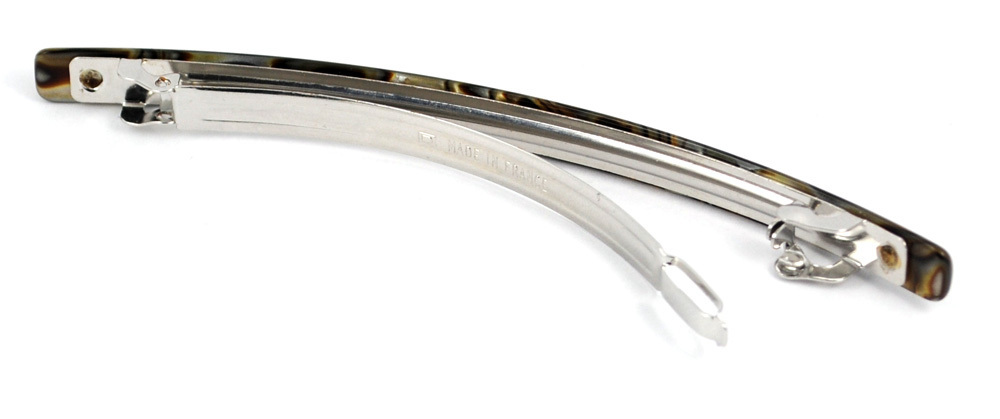
For extra reinforcement, you can flatiron the area and hold it with a clip as you style the rest of your hair. To ensure strand stays flat throughout the day, Stenson recommends finishing with a light spritzing of hairspray. There may not be a foolproof way to eliminate cowlicks altogether, but you can definitely trick unruly hair into cooperating. Post-wash, blow-dry and set your hair in the opposite direction, recommends Brooklyn-based stylist Wesley O'Meara.
Try different hairstyles, use hair products, and try various styling techniques to make them less noticeable. When hair is wet, apply a small amount of gel—we like Pattern Strong Hold Gel ($25)—on the area of concern. "If hair is allowed to dry even slightly, the cowlick will conform to its natural shape," says Stenson. When you're blow-drying, set your dryer on low heat and comb the cowlick as you work.
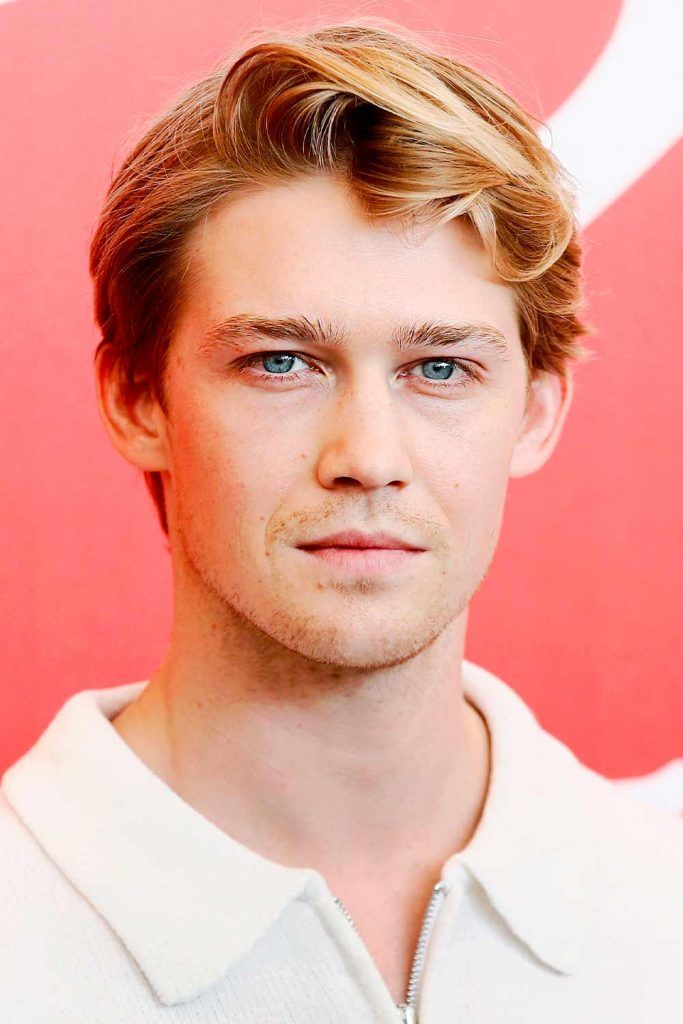
Choose a style that supports the cowlick and effectively hides it. For instance, long side-swept bangs look relaxed and support your cowlick’s natural pattern, adding movement to it. Never go for shorter bangs as it may expose the cowlick.
If you're short on styling time and don't want to deal with taming your cowlick(s) day in, day out, you might want to consider longer-length options. Cowlicks are intriguing and often unpredictable hair patterns that add a touch of uniqueness to our individuality. Another common area is along the hairline, where a cowlick can cause a section of hair to stand out or grow in a different direction from the rest. This hairline cowlick can affect the appearance of bangs or framing layers, requiring careful styling techniques to accommodate its presence. Hair maintenance and management of forehead cowlicks can get quite tricky.